
Budgeting for your personal finances is one of the single best skills to learn in terms of your personal success. When you create a sound personal budget you gain knowledge about where your funds are being spent, where to cut back on needless spending, plan for the future with savings and gain peace of mind when it comes to your personal finances.
A lot of people think that the budgeting process is hard, but it isn’t! Using a simple budget can put your cash into check, and also will enable you to make smart cash management and spending decisions on a daily basis.
This step-by-step guide will assist you in establishing a practical budgeting system that is ideal if you are dealing with your first income or want to do better when it comes to managing your money.
1. Understand Your Monthly Income
When making up your budget, the very first step is knowing what is in your bank account every single month, This can include; salary; freelancing money; income from your business; all your sources of monthly revenue.
To determine average monthly income in the case of variable income: you’ll need to determine the average amount earned from your income sources over the past 6-12 months.
Include These Income Sources
- Salary or wages.
- Freelance earnings.
- Business income.
- Rental income.
- Investment income.
2. Track Every Expense
If you don’t learn exactly where your money is going, you’ll have a tough time managing it, let alone improve it. Make it a habit to note down every dime you spend – the big as well as the small stuff, like your afternoon coffee or a snack to munch on between meals.
Spend one month on your budget, and you will be surprised by the amount of money that is spent needlessly and the small amounts which can be cut down without effort.
3. Separate Needs from Wants
Housing, food, medical care, transportation, and utilities must come first, and discretionary expenses like recreation or indulgences second.
Knowing what you need to have versus what you simply want can really improve your finances.
4. Set Realistic Financial Goals
Goals can give your budget direction. Setting aside money for a vacation, for example, gives your budget a clear objective beyond just getting through the month.
- Create short-term goals.
- Plan long-term savings.
- Review your progress regularly.
- Adjust goals as needed.
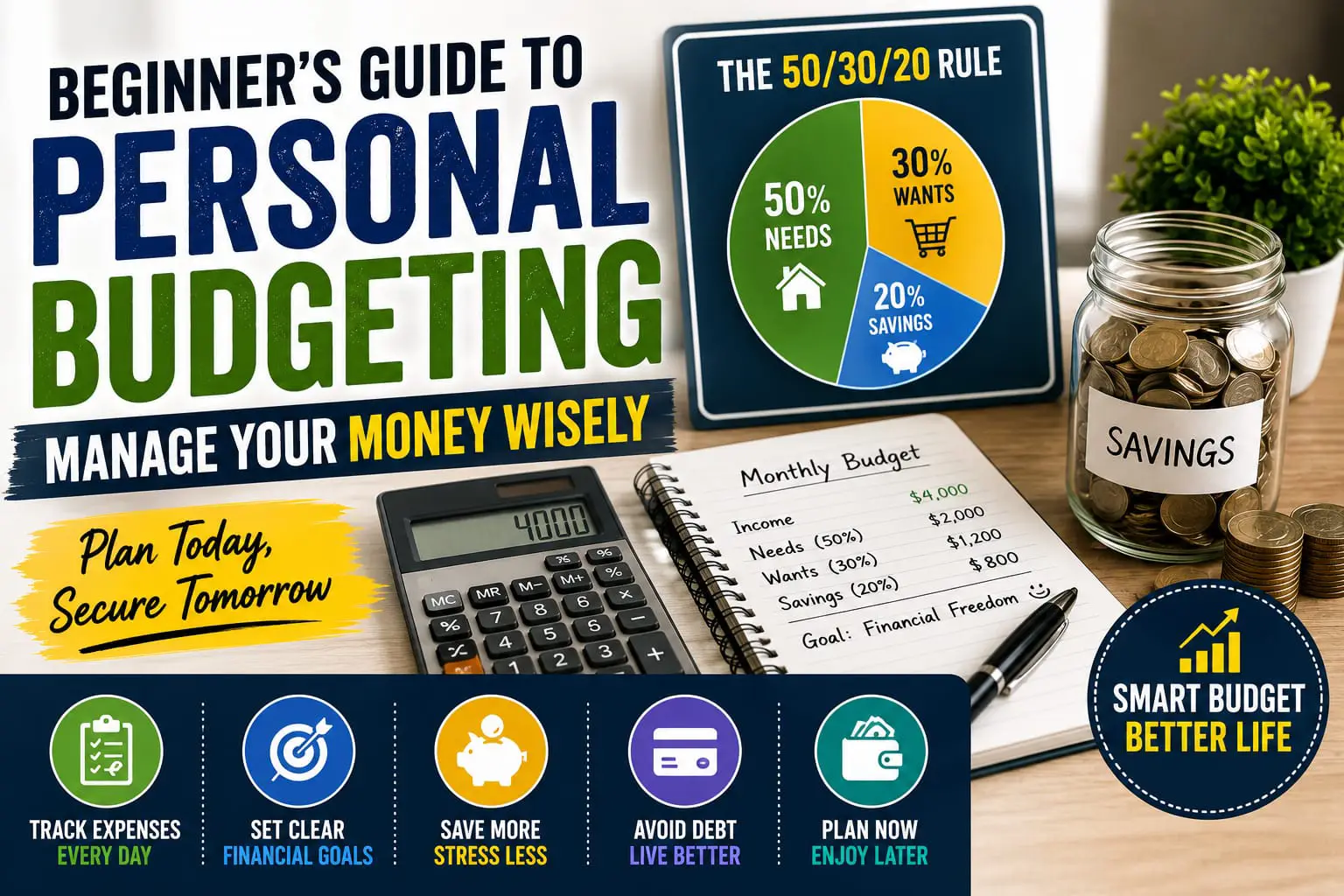
5. Follow the 50/30/20 Budget Rule
How a beginner can manage their finances easily – 50/30/20 budget method. The 50/30/20 budget rule is perhaps one of the simplest rules you can apply to your monthly earnings for balancing money that is spent on essentials, personal happiness, and a savings fund.
- 50% for essential needs such as housing, groceries, transportation, and utilities.
- 30% for personal wants, including entertainment, dining out, hobbies, and travel.
- 20% for savings, investments, and debt repayment.
You can alter these percentages depending on how much you earn, what your aims are financially and so on, however it acts as a wonderful place to start for most of people.
6. Build an Emergency Fund
Things don’t always go as planned. Sometimes life throws unexpected curveballs, like a medical crisis, car trouble or unexpected unemployment. Without savings set aside to cover these kinds of events, the strain can be immense.
Set aside small sums monthly to establish an emergency fund over time. While it may seem small in the short term, over time these amounts become quite helpful.
Benefits of an Emergency Fund
- Reduces financial stress.
- Helps avoid unnecessary debt.
- Provides peace of mind.
- Protects your long-term financial goals.
7. Avoid Unnecessary Debt
The ability to borrow for necessity purposes, from time to time, however unwanted could prove disastrous for your goals.
Before buying on your credit card or loan, question: “Do I actually need it and can I afford it and to make the monthly payments?”
By always making credit card payments on time, you’ll skip paying the credit card’s expensive interest rates.
8. Use Budgeting Tools and Apps
If you use a budget app or spreadsheets, keeping track of money you receive and spend, how much you save, and what your goals are is considerably easier. Most of these programs categorise your expenses for you and can also generate a number of useful reports.
Useful Budgeting Habits
- Record expenses daily.
- Review your budget weekly.
- Update savings goals regularly.
- Monitor spending patterns each month.
9. Review Your Budget Every Month
Changes can happen in your spending habits, earning capacity, and financial needs. Check your monthly budget routinely to maintain your progress and prevent little financial hiccups from escalating into big ones.
Compare your intended spending to how you actually spent. Spot the things you went over budget on, and see where you can trim some expenses next month.
10. Stay Consistent and Patient
Success in budgeting isn’t about doing a perfect job every month, but rather about improving with small increments over years, building a better habit for good.
Some months the budget will take hit due to unexpected expense; it is fine. Don’t let go but do it another way.
Frequently Asked Questions
Why is personal budgeting important?
A personal budget can help you track and monitor your income, reduce your expenditure and spending, manage your finances and relieve yourself from financial worries and stress. Whether you have to fulfill short term or long term financial goals, it can assist you well.
How often should I review my budget?
Set aside a half hour or so to review your budget at least one per month, and if your income fluctuates, every week or two may be a better option.
Is the 50/30/20 rule suitable for everyone?
The 50/30/20 rule is a great foundation, but you can alter the proportions to fit your income level, lifestyle, and financial goals.
Should I use a budgeting app?
Yeah, you can use budgeting apps to keep track of expenses and see where all of your money is going.
Conclusion
What Can Be done Now? You have many tools at your disposal today in the form of budget tools or apps which can help you to budget or even manage all of your finances easily and efficiently. The art of budgeting will empower you for the future!
Always bear in mind that being a savvy budgeter is a process. The little money moves we take each day are ones that can lead to financial freedom, less worry, and even more stability as time goes by.
Key Takeaways
- Know your monthly income and expenses.
- Separate needs from wants.
- Follow a realistic budgeting method such as the 50/30/20 rule.
- Build an emergency fund gradually.
- Avoid unnecessary debt whenever possible.
- Use budgeting tools to monitor spending.
- Review your budget every month.
- Stay consistent and focus on long-term financial success.