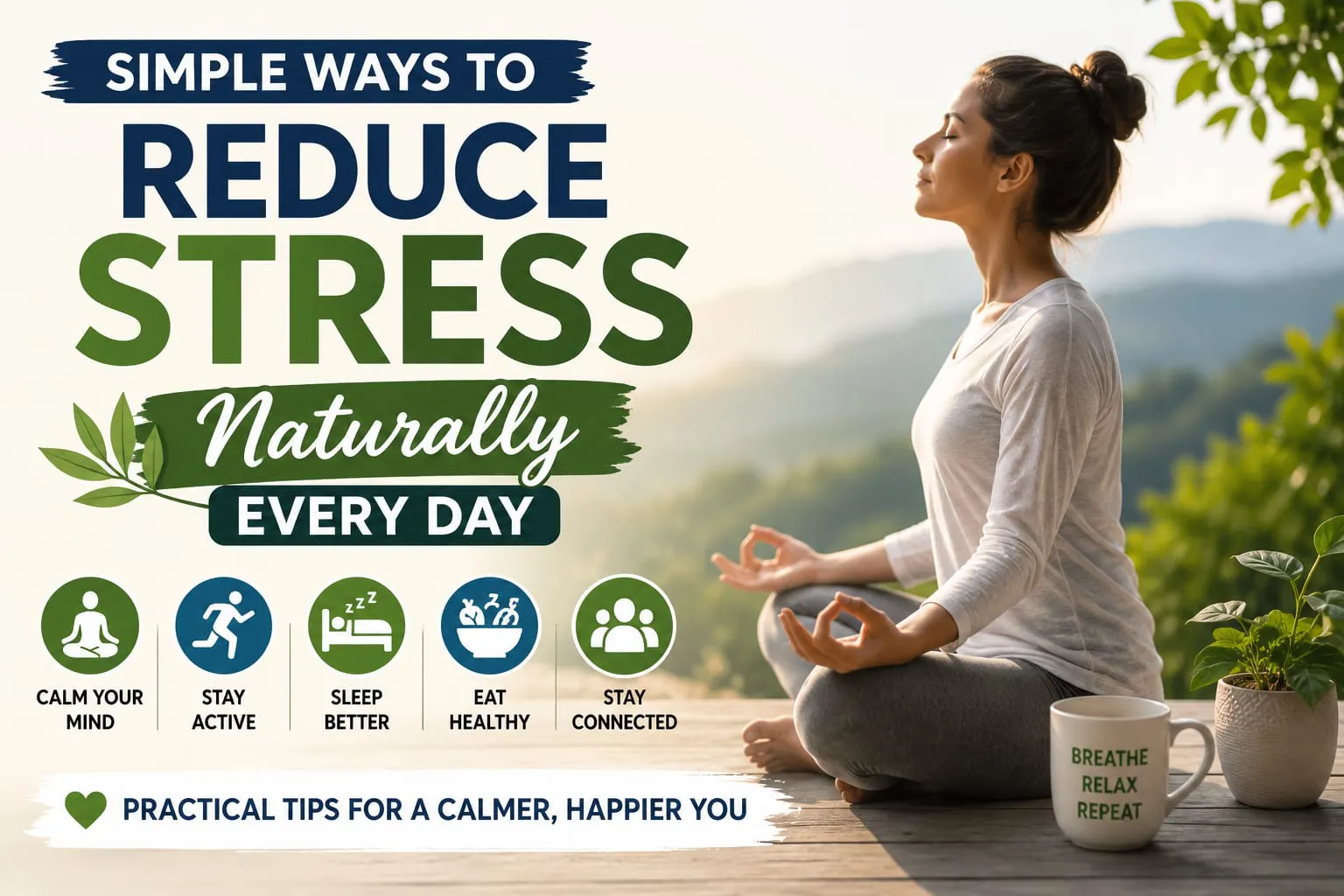
Stress is an inevitable part of life, however chronic high-stress levels can negatively impact your physical health and well-being, as well as your emotional state. Our daily lives are full of things to stress about including the stresses of work, the financial strain we may experience and the demands of raising a family, not to mention life’s inevitable surprises!.While it may not be possible to eliminate stress completely, learning how to manage it effectively can improve your overall quality of life.
Simple daily habits can significantly impact your ability to manage stress without complicated or time-consuming techniques, leading to greater calm, clearer thinking, and better overall work-life balance.
Below, you’ll find practical and natural tips to alleviate stress, enhance your mood and create health-inducing daily habits.
1. Identify the Sources of Stress
The very first thing you’re to do is to know what makes you stressed. What you might find is that each individual human will react to a range of things in different ways. Find the stress of yourself in order to address that!
Keep a simple log for a couple of days. That will let you be able to notice a pattern and one thing that you’re finding causes you more stress.
Common Causes of Stress
- Heavy workloads or tight deadlines.
- Financial responsibilities.
- Family or relationship challenges.
- Health concerns.
- Lack of sleep.
- Poor time management.
2. Practice Deep Breathing
Deep breathing may be one of the easiest relaxation strategies that you’ll ever learn. Slow and steady breathing allows you to relax and feel less stressed.
Take some slow, deep breaths each day, for a few minutes. It should help to keep you feeling more calm and more focused.
3. Stay Physically Active
Maintaining an active lifestyle improves physical health. Regular exercise triggers chemicals to help us feel better and reduce the impact of stress.
These effects can be felt after some moderate exercise such as walking, running, biking, dancing, stretching or doing yoga.
Easy Activities to Try
- Take a 30-minute walk.
- Practice gentle stretching.
- Ride a bicycle.
- Try beginner-friendly yoga.
- Dance to your favorite music.
4. Get Enough Quality Sleep
Sleep and Stress It is no wonder then that sleep and stress are often linked. If you’re stressed, it can be harder for you to sleep well. If you sleep poorly it’s likely to add to your overall stress levels. Forming healthy sleep habits will help you feel better physically and emotionally.
Stick to a regular bedtime, avoid screens right before you go to bed, and make sure your sleeping environment is comfortable and quiet.
5. Eat a Balanced Diet
Nutritious diet supplies our body with fuel and nutrients necessary for smooth functioning. Following a healthy diet which is full of fruits, vegetables, whole grain products, lean proteins, and healthy fat can definitely maintain a healthy lifestyle and helps us remain active all the time.
A few things that might make this easier are cutting down on any overly sweet treats, junk food, and caffeinated products.
6. Practice Mindfulness or Meditation
Meditation or Mindfulness: These can help you settle down and reduce your emotional state. Practicing mindfulness or meditation forces your to focus on now, not on anything that is past, and not on any thing in the future.
It requires no experience and it also requires no equipment at all. A little effort of a total of 5-10 minutes every day at an quiet spot can be enough for you to have more inner calm.
Benefits of Mindfulness
- Helps reduce daily stress.
- Improves focus and concentration.
- Supports emotional well-being.
- Encourages a calmer state of mind.
7. Stay Connected with Family and Friends
When you’re under a lot of stress, spending time with people who uplift you can really make it more bearable. Opening up to your best friends and/or closest relatives can help relieve stress.
The simple act of chatting with a friend or spending quality time with them can boost your spirits and help you look at the problem with a new pair of eyes.
8. Make Time for Your Hobbies
Hobbies offer you a fun break from your regular duties and can ease you into naturally relieve tension. Partaking in activities you find entertaining allow your brain a chance to loosen and de-stress.
It can be gardening, reading, cooking, painting, music, taking pictures, learn a new skill… you name it!
9. Stay Hydrated Throughout the Day
There are numerous things your body need water to function: energy levels,brain health etc. While drinking water by itself won’t take the edge off of you, keeping hydrated helps to make your body to do work, to operate smoothly and keep it safe.
Bring your own water bottle with you and sip from it regularly, especially if you are out during hot weather or have just exercised.
10. Limit Excessive Screen Time
Excessive use of smartphones, computers or social networking can sometimes cause additional feelings of stress and mental fatigue. The stream of notifications and excessive scrolling may affect the concentration or the quality of sleep.
You might consider imposing daily limits for recreational screen time or using intermittent breaks from the use of digital devices during your days.
- Turn off unnecessary notifications.
- Avoid screens before bedtime.
- Schedule screen-free periods during the day.
- Spend more time outdoors whenever possible.
11. Practice Gratitude
Spend some time every day enjoying the things that bring you joy. That will help divert your mind from your worries. And that will prevent life’s trials and tribulations from spiraling in on your mind. Gratitude may not erase life’s troubles but it could provide perspective and even positivity.
For many individuals, the most enjoyable habit to incorporate into their day-to-day routine would be listing three things they are grateful for in the evening. Slowly but surely, this practice can begin to positively affect the way they feel and the level of stress they experience each day.
12. Build Healthy Daily Habits
Healthy habits create a strong foundation for managing stress over the long term. Small, consistent actions often have a greater impact than making major lifestyle changes all at once.
Create a habit where you do some regular exercise, eat healthy meals, get sufficient sleep and make time for rest and the things you like doing. This routine combined can do much more than support your physical health; it can also improve your state of mental well-being.
13. Manage Your Time Effectively
Poor time management can increase feelings of stress, especially when deadlines begin to pile up. Planning your day, prioritizing important tasks, and avoiding unnecessary distractions can help you stay organized and reduce pressure.
Break up tasks and make it easy to create a basic to-do list. Breaking big projects down into small steps will seem far less overwhelming.
Common Stress Management Mistakes
- Ignoring stress until it becomes overwhelming.
- Skipping meals or eating an unbalanced diet.
- Getting too little sleep.
- Spending excessive time on social media.
- Avoiding physical activity.
- Trying to handle every problem alone.
- Neglecting relaxation and personal time.
Frequently Asked Questions
Can stress affect physical health?
Yes. Chronic stress could also have impacts on your physical and psychological health. With positive habits daily, your health will be well managed.
What is the easiest way to reduce stress quickly?
Simple things like taking a few deep breaths, going for a short walk, stretching, or speaking with someone you trust may calm your nerves during stressful situations.
How much exercise is helpful for stress management?
Move More Getting out there – whether that’s a brisk walk, a jog, or a cycle – is also great for your emotional health. Pick something you enjoy that fits with your current fitness level.
When should I seek professional help?
When it gets too much, lasts too long, or starts affecting work, relationships, or daily activities, you should talk to your healthcare provider or a mental health specialist.
Conclusion
You cannot entirely avoid life stress but there is no way it needs to take over your days. Develop health practices including being physically active, having sufficient sleep, time managing efficiently, keeping positive relationships, and carving out time to rest can assist you get through day to day difficulties.
Most importantly, always remember that reducing stress is a marathon and not a sprint. Little, subtle shifts over a period of time and done regularly are likely to create much bigger impact and change in your life for the better. Choose habits to support your overall health and happiness and be kind and patient with yourself.