
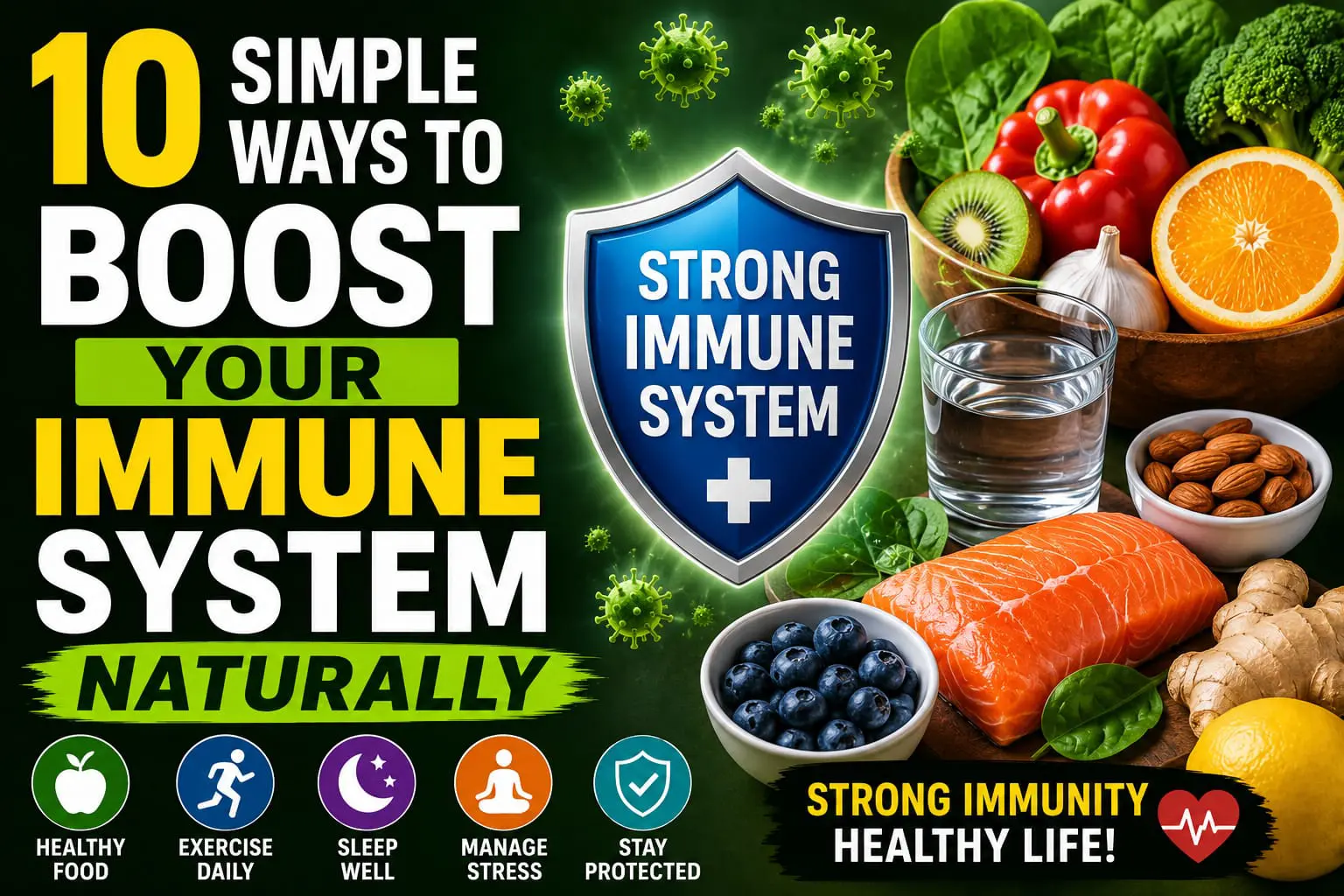
This is what the immune system is for, defense against illness caused by bacteria, viruses, and organisms that can lead to illness. You don’t need the perfect food or supplement to have optimal health. Follow these daily tips to keep your immune system strong.
To support a healthy immune system requires more than a quick fix. By adopting healthier lifestyles that incorporate regular activity, balanced meals, and stress management, you enhance overall health.
In this guide, you’ll explore science-backed, practical strategies for how to build and boost your immunity naturally to increase your overall health and wellness.
1. Eat a Balanced Diet
Your body requires different vitamins, minerals, antioxidants, etc to be well-equipped for fighting illness. A balanced diet of colorful fruits, vegetables, grains, lean meat, etc provides all the nutrients required by your immune system.
Foods That Support Immune Health
- Citrus fruits
- Leafy green vegetables
- Berries
- Nuts and seeds
- Yogurt
- Fish rich in omega-3 fatty acids
2. Stay Hydrated
“It’s required for most body functions, including supporting the immune system. It also help to transfer nutrients, transport the cells, keep the system at the correct temperature and waste products.”
Drink water throughout the day – it will make a lot of difference especially on a very hot day and or on the day of performing some physical work or exercise.
3. Get Enough Quality Sleep
Recovering while sleeping gives your body time to recover and helps your body to fight off illness with an stronger immune response. The American Association of Sleep Medicine and the National Sleep Foundation recommended seven to nine hours of quality sleep per night for adults.
By trying to stick to a regular bedtime and reducing screen use close to bedtime, one can improve his or her sleep quality.
4. Exercise Regularly
Light physical activity will help to get blood flowing, and it’s good for healthy immunity. Some things you can do: walk, cycle, run, swim, or practice yoga, and get your body ready for anything it can handle.
- Aim for at least 150 minutes of moderate exercise each week.
- Choose activities you enjoy.
- Avoid overtraining without adequate recovery.
5. Manage Stress Effectively
Constant and chronic stress can wear down your body’s immune system, leaving you susceptible to illness. Unfortunately, you can’t get rid of all the stress in your life, but you can reduce your exposure by learning how to deal with it in healthy ways.
You can try things like deep breathing exercises, meditation, walking outside, or even just talking to a friend or family member to feel more relaxed.
Healthy Stress Management Tips
- Practice mindfulness or meditation.
- Take short breaks during busy days.
- Spend time outdoors.
- Maintain a healthy work-life balance.
- Enjoy hobbies that help you relax.
6. Maintain a Healthy Weight
It helps the important systems that control you – such as the immune system – to function properly. Healthy eating and regular physical exercise is essential to getting your weight to a healthy level and staying there long-term.
Don’t try fad or crash diets that claim instant weight loss or rapid results. Sustainable lifestyle adjustments offer better long-term health benefits.
7. Avoid Smoking and Limit Alcohol
The use of tobacco can impair your body’s defense mechanisms and raise the chances of getting several illnesses. Using tobacco too can hurt the normal working of your body’s defense mechanisms and lower its ability to ward off infections.
If you smoke, think about trying to quit. And drink no more than is reasonable, so as not to damage your health.
8. Get Enough Vitamin D
The function of vitamin D The nutrient is essential to maintain the healthy immune system. Most of us get vitamin D exposure when we safely spend some time outdoors and through diets like fatty fish, eggs, and fortified dairy foods.
Take supplements if you suspect you’re deficient vitamin D. If you suspect that you are deficient in vitamin D, it’s a smart idea to check in with a doctor prior to picking up vitamin D supplements. You’ll want to have an examination conducted to make sure and verify.
Natural Sources of Vitamin D
- Sunlight
- Salmon and other fatty fish
- Egg yolks
- Fortified milk
- Fortified cereals
9. Practice Good Hygiene
One of the easiest and most effective practices to prevent the spread of harmful microbes is good hygiene. Simply practice washing your hands often-especially after going to the restroom, before eating, etc.-and your body (and those around you) will thank you for it.
Cough or sneeze into your sleeve, not your hand. Try to avoid touching your face with your hands. This will help to minimise spread of infections
10. Stay Up to Date with Preventive Healthcare
Maintaining overall health is easier by regularly going to your doctor and by staying up to date on all recommended vaccinations. Taking steps for preventive health and detecting any issues at their earliest stages can better support your body’s ability to defend itself for a longer period of time.
Discuss with your doctor screenings and vaccinations for you given your age, health status, and risk of exposure.
Frequently Asked Questions
Can certain foods boost the immune system immediately?
However, there’s no food or drink that can immediatelyboost your immune system. You can have a more responsive immune response with healthy lifestyle habits.
How much sleep is recommended for a healthy immune system?
It is believed most adults need seven to nine hours of quality rest each night to get through the day. Getting quality sleep helps your body repair itself and fight disease.
Should I take immune-boosting supplements?
Many of the nutrients needed to be healthy can be obtained from a healthy balanced diet. There may be times where it is beneficial to supplement our intake of certain nutrients, but you should always seek advice from your healthcare provider before taking any.
Does exercise improve immunity?
Yes, moderate consistent exercise can aid overall health and help maintain the body’s immune response. Overtraining, on the other hand, could compromise it if it is accompanied by lack of rest and recovery.
Conclusion
There’s no secret cure for boosting immune system. A healthy immune system is maintained on a day-to-day basis through eating good, being active, getting enough rest, handling stress properly, being conscious about hygiene, and availing routine preventive healthcare options.
Rather than aiming for a radical, life-altering transformation overnight, concentrate on one small healthy change at a time. A series of tiny but sustained changes can accumulate to a significant, long-term benefit.
Key Takeaways
- Follow a diet that emphasizes fresh fruits and vegetables.
- Stay hydrated throughout the day.
- Sleep seven to nine hours every night.
- Exercise regularly but avoid overtraining.
- Cope with stress by employing healthy ways to relax.
- Avoid smoking and limit alcohol consumption.
- Consume an appropriate amount of vitamin D in safe sun exposure and foods.
- Wash well and don’t neglect check-ups.