
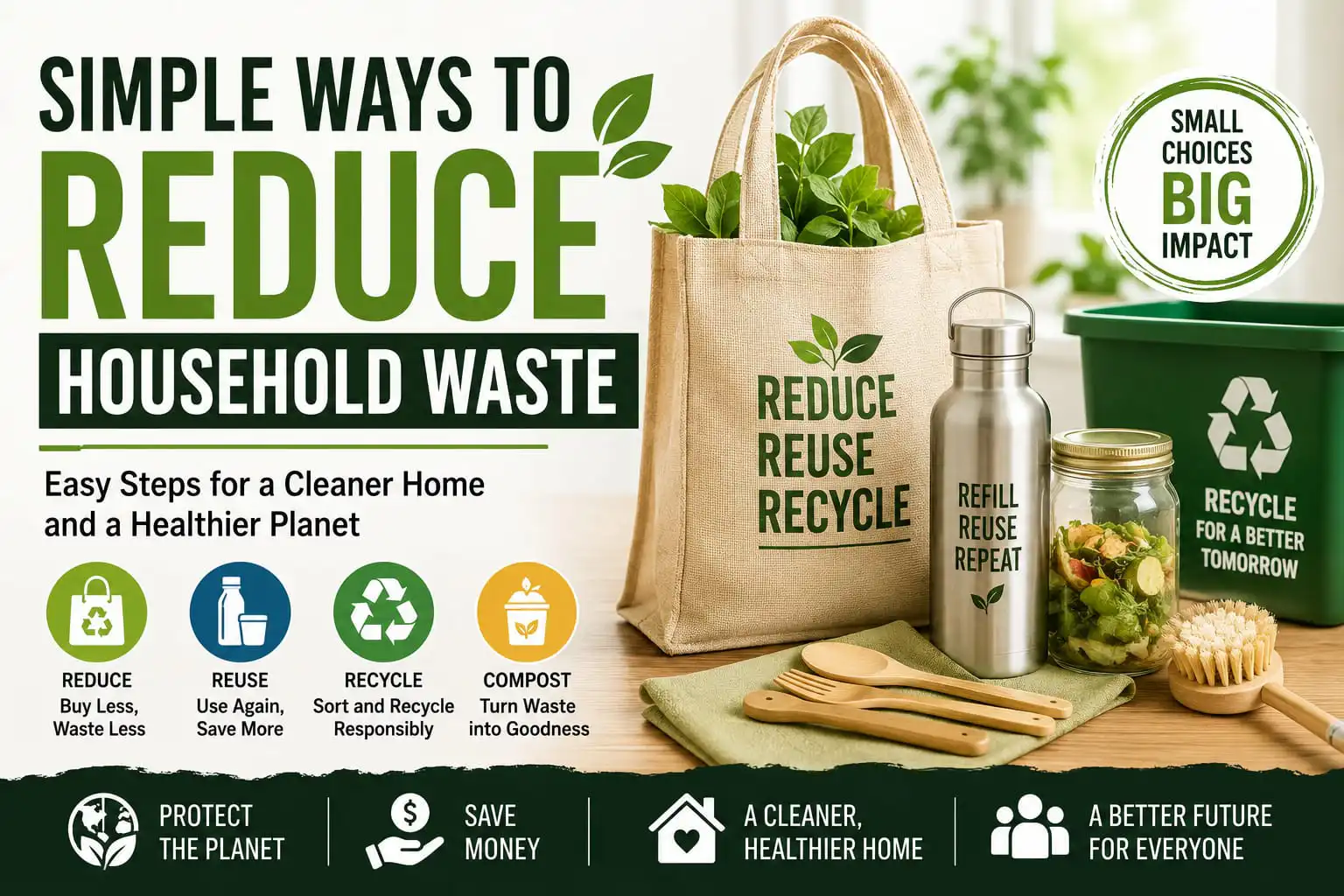
Daily: Household waste Food packaging, plastic bottles, cardboard boxes, waste clothing, food left on plates… Each day at home, we throw lots away. Fortunately, a great deal of this waste can be avoided with minor, everyday changes.
Minimizing trash reduces environmental impact and also helps to save money, space, and encourages a more purposeful approach to buying. Basic, little-things like buying a reusable grocery bag can go a long way with practice.
It doesn’t require a great deal of sacrifice to become less wasteful. In reality, even minor changes can have an important environmental and economical benefit your home.
Here’s what you can discover: What constitutes household waste; Why reducing household waste is important,;Simple tips and strategies you can use to create less household waste.
What Is Household Waste?
Household waste means any of the worthless materials produced at home every day. Examples include leftover food, the wrappers from the plastic products we buy, cardboard, paper, cans of drink, jars of food, the rags that have seen better days and many others.
Most people in the home have waste that the country recycles and composts or a waste that needs to dispose. By determining where that waste comes from the country will already be reducing it for the first instance in the whole world at first.
Why Reducing Household Waste Matters
When waste is decreased, we will likely to utilize less and less raw resources in producing items and less amount of debris goes to landfill areas. This can help save and protect some natural resources and lower degree of water and also atmosphere contaminants.
Households can find that reducing waste helps them to cut out impulse buying and make better, more conscious uses of all the household items they buy in the first place.
The Three R’s: Reduce, Reuse, and Recycle
A simple way to remember good waste management practices is through the three R’s:
- Reduce: Buy only what you need and avoid unnecessary waste.
- Reuse: Find new ways to use items instead of throwing them away.
- Recycle: Properly recycle materials that can be processed into new products.
By acting these guidelines can drastically help lessen your personal amount of waste during your normal schedule.
1. Choose Reusable Products
Replace single-use items with reusable versions-perhaps the simplest thing you can do to minimize your waste household. Items like reusable grocery bags, water bottles, and food and coffee cups mean that disposable versions of products don’t need to be purchased or put into a landfill.
These easy switches reduce trash and will potentially save money in the long run because you won’t need to keep repurchasing
2. Reduce Food Waste
As a household food is one of the largest contributors to your waste stream, therefore with meal planning shopping and smart food storage you can both reduce waste and waste save money.
Before you hit the grocery store, take stock of what you have at home and make a small list. Get creative with leftovers; food waste is prevented when you use them up in new ways.
3. Avoid Single-Use Plastics
Disposable bags, cutlery, straws and bottles are just some examples of plastic items that we use once and then throw away. Opting for reuse options is the best way to limit the amount of plastic that gets discarded.
Being conscientious about carrying out two things, can certainly begin doing the right deed in the long run. Let these be your ‘water bottle’ and’cloth bag.
4. Shop More Mindfully
Smart shopping can lower amounts of unwanted waste in your home, as it avoids it getting into your home in the first place. When you’re buying products you can try to stick to items with little packaging. Opting for quality, reusable items instead of items with low longevity can save on unwanted waste at home.
Tips for Smarter Shopping
- Buy only what you truly need.
- Choose products with less packaging whenever possible.
- Carry reusable shopping bags.
- Select durable products that last longer.
- Avoid impulse purchases that may go unused.
5. Compost Organic Waste
There are many kitchen waste items such as fruit peels, vegetables cuttings, coffee grounds and egg shells that you don’t need to simply chuck in the bin. These can be composted. Compost converts the organic materials to be a valuable additive that would enhance your gardens nutrients and soils.
You could even consider starting a smaller-sized composting program at your house because a good dose of your kitchen scraps doesn’t belong in landfills either – they can also nurture healthier plants.
6. Repair Instead of Replacing
Don’t Throw Them Out, If There’s a Chance They’re Still Useful – Many damaged items around the house can be fixed rather than discarded-it just takes time to repair a chair, pair of pants or a small kitchen appliance you already own. Not throwing away items is an example of reducing landfill waste.
It is also worth attempting to repair products where possible and this helps not just our wallets but also moves us towards a more conscious lifestyle.
7. Donate or Reuse Unwanted Items
Do you have clothes that you still wear, books that you’ve read and are sitting on your shelf, furniture that’s still in great shape, toys that haven’t broken, or anything around the house that could benefit someone else? If so, think about donating or giving that item to somebody else instead of throwing it out.
The creative reuse of unwanted materials for other purposes rather than disposal of them is another of many simple solutions that any person could implement.
Common Mistakes to Avoid
Everyone Wants to Reduce Waste So Why do We Continue Habits That Produce More Waste? Here are some common slipups to avoid.
- Buying more food than your household can use.
- Using disposable products when reusable alternatives are available.
- Throwing recyclable materials into general waste bins.
- Replacing items that could be repaired.
- Ignoring opportunities to donate or reuse unwanted belongings.
Reducing small improvements can also do a big difference. The garbage output of your household can slowly decline through these methods:
Frequently Asked Questions
What is household waste?
Household waste consists of everyday waste from home products – the general debris disposed of in household garbages, i.e. Food residue, paper, plastics, metal, glass, packaging and household item scrap pieces .
Why is reducing household waste important?
Reducing your house waste saves natural materials, results in less waste for landfill and decreases pollution from a range of resources and by encouraging awareness, a cleaner living culture comes about.
Can reducing waste also save money?
Yes, purchasing only what you really need, reuseable and repairing damaged items are some important measure that can bring household spending down in the long term.
What are some easy ways to start reducing waste?
The steps are easy: bring a shopping bag, buy an empty water bottle that can be filled up whenever, prepare the food you eat beforehand, throw organic waste into compost (if there’s one). And let go of possessions you no longer need.
Key Takeaways
- Reducing household waste benefits both the environment and your household budget.
- Minimize waste through theReduce, Reuse, and Recyclephilosophy.
- Reusable products and mindful shopping reduce everyday waste.
- Composting and repairing items can extend the life of resources.
- Small daily habits can create a meaningful long-term impact.
Conclusion
Getting your household’s waste stream moving towards minimal may sound like an immense undertaking. It’s not; and a simple committed lifestyle shift toward a few select, easy actions: using reuse products, mindful shopping, mindful eating, and mindful recycling can collectively lead the way to a dramatically leaner household waste line forever.
When you do a positive, good for the environment act. You support a better tomorrow. Small positive changes you make with reducing waste today, will mean less waste now and, well, less waste in the future, and everyone else gets on board too!